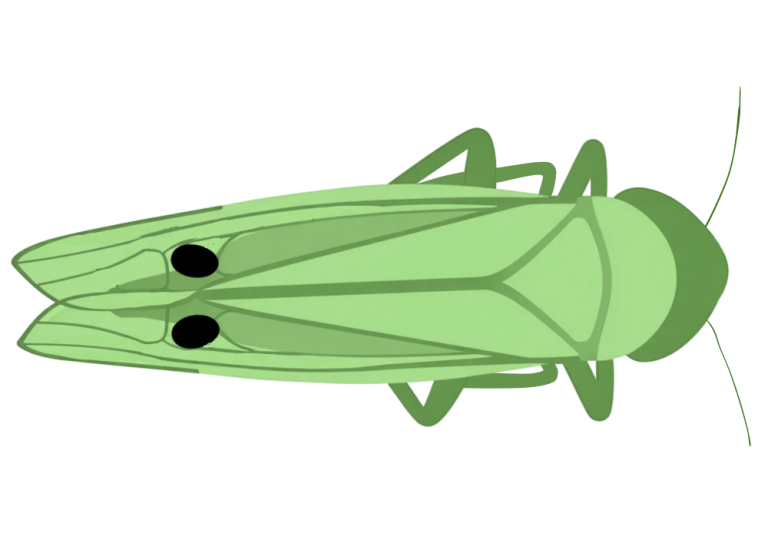
Native to the Indian subcontinent, two-spot cotton leafhoppers feed on cotton, okra, eggplant, hibiscus, and other crops, causing chlorosis, necrosis, defoliation, and yield loss. Its spread threatens cotton production valued at more than $2 billion annually and poses risks to ornamental and vegetable sectors.
Surveillance Data
To prevent and manage pests, we need to know where they are and where they’re going. Stop 2SCL will offer real-time updates on distribution and detections of two-spot cotton leafhopper.
Field Diagnostics
We learn more when we learn together. We aim to provide accurate identification tools for this pest across crops and deliver standardized sampling and reporting protocols.
Science-Based Recommendations
By strengthening coordination among growers, consultants, Extension agents, and regulatory partners, we will develop and share best management practices.
About Two-Spot Cotton Leafhopper
As an emerging invasive pest, the Two‑Spot Cotton Leafhopper (TSCL), Amrasca biguttula, was recently detected in the southeastern United States. These tiny insects can become a big problem. Read on to learn more about where they like to hide and the damage they cause.
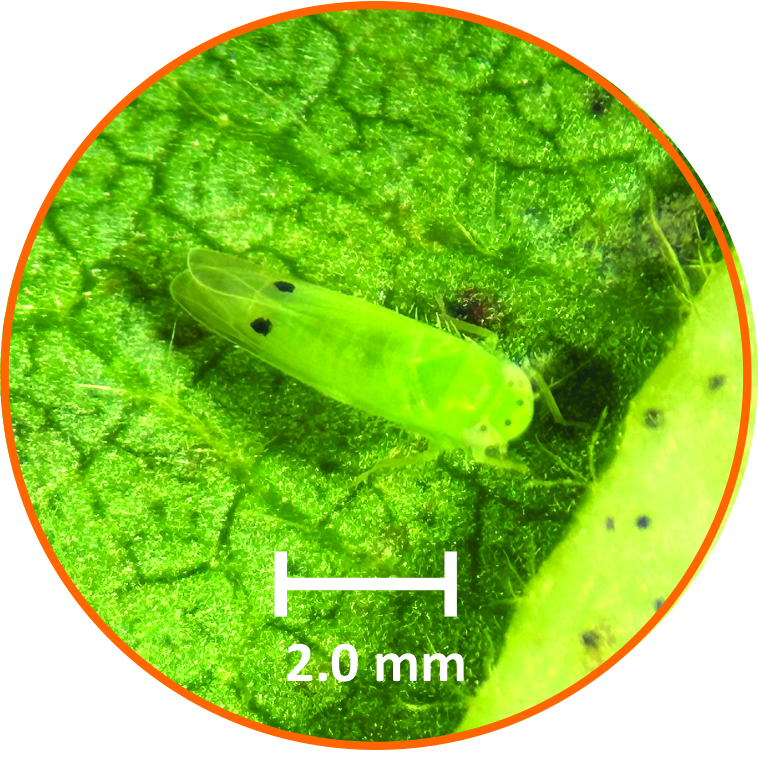
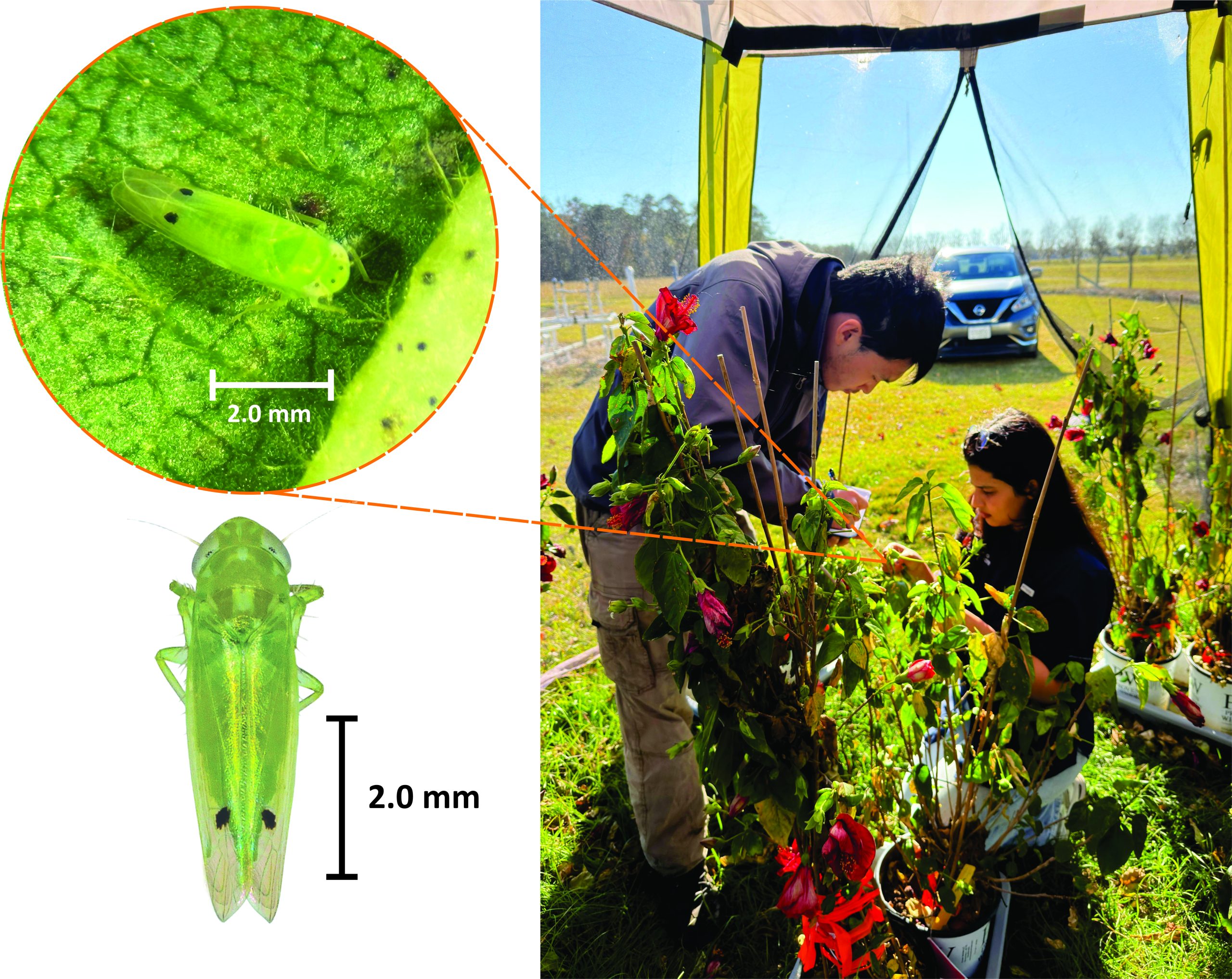
Finding 2SCL on leaves is difficult due to the small insect size.
Understanding 2SCL size
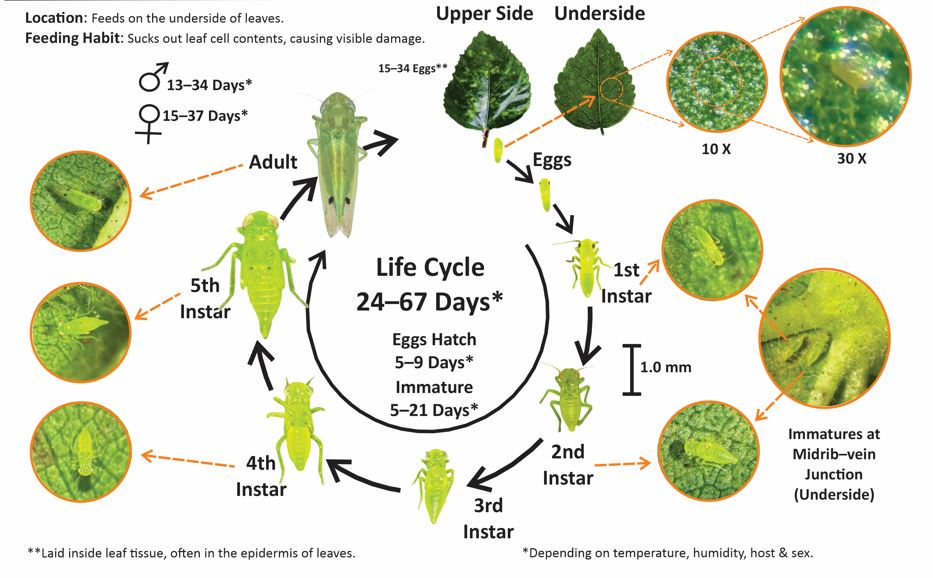
Life cycle
The Two-spot Cotton Leafhopper lays about 15—34 eggs on the underside of leaves inside the leaf tissue. The eggs hatch after 5—9 days, followed by the immature stage for 5—21 days as it goes through five instar stages. Finally, as an adult, the leafhopper has wings. These leafhoppers feed on the underside of the leaf and suck out leaf cell contents, causing visible damage. The total lifecycle is generally 24—67 days long.
Simple Solution To Healthy Food Habit
As we provide fresh and home grown products, you are always welcome to explore our natural product lines and opt for the healthy food habit easily.
I think agriculture is the ultimate solution for the growing world. That’s why I believe in making hay when the sun shines. It will eventually help us big time.
This website serves as the national information hub for the Two‑Spotted Cotton Leafhopper, an emerging invasive pest affecting multiple agricultural sectors across the United States. This platform is being developed through the 2026 Multi‑State Working Group to support coordinated, science‑based response efforts. Ultimately, this website will provide real‑time diagnostics, distribution updates, management guidance, and research‑based tools developed through coordinated efforts among universities, federal agencies, and industry partners. By integrating surveillance data, field diagnostics, and science‑based recommendations, 2SCL.org supports growers, Extension personnel, and decision‑makers in responding rapidly and effectively to 2SCL outbreaks. The purpose of this website is to:
Provide accurate identification tools to 2SCL across crops
Deliver standardized sampling and reporting protocols
Share best management practices developed by regional experts
Offer real‑time updates on distribution, detections, and research findings
Strengthen communication and coordination among growers, consultants, Extension agents, and regulatory partners
Meet the Team
Site Content Author: Dr. Muhammad Z. Ahmed, Assistant Professor and Extension Specialist, Turf & Ornamental Ecology Lab, Clemson University Pee Dee Research & Education Center, Florence, SC
The Regional IPM Centers are supported by the USDA National Institute of Food and Agriculture through agreement2022-70006-38002. Any opinions, findings, conclusions, or recommendations expressed in this publication are those of the author(s) and should not be construed to represent any official USDA or U.S. government determination or policy.